Home

What's New

Report | WashPIRG Foundation | Transportation

A New Direction

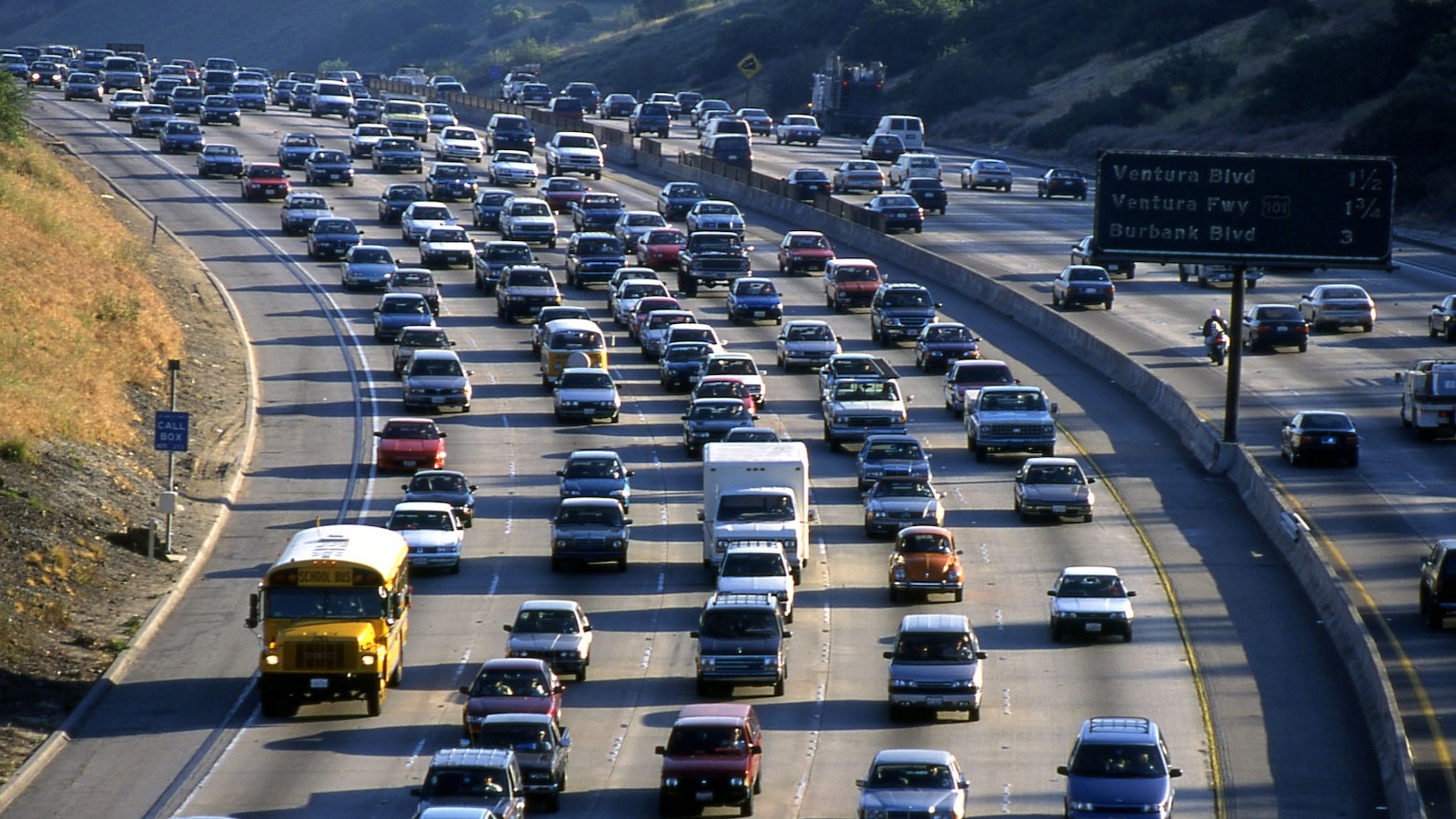
The Driving Boom—a six decade-long period of steady increases in per-capita driving in the United States—is over.

Americans drive fewer total miles today than we did eight years ago, and fewer per person than we did at the end of Bill Clinton’s first term. The unique combination of conditions that fueled the Driving Boom—from cheap gas prices to the rapid expansion of the workforce during the Baby Boom generation—no longer exists. Meanwhile, a new generation—the Millennials—is demanding a new American Dream less dependent on driving.


> Keep Reading
News Release | WashPIRG | Tax

Offshore Tax Havens Cost Average Washington Taxpayer $1,091 a Year, Washington Small Business $3,616

With Tax Day approaching, it’s a good time to be reminded of where our tax dollars are going. WashPIRG released a new study which reveals that the average Washington taxpayer in 2012 would have to shoulder an extra $1,091 in taxes to make up for the revenue lost due to the use of offshore tax havens by corporations and wealthy individuals. 

> Keep Reading
Report | WashPIRG | Tax

Picking Up the Tab 2013

Some U.S.-based multinational firms and individuals avoid paying U.S. taxes by using accounting tricks to shift profits made in America to offshore tax havens—countries with minimal or no taxes. They benefit from their access to America’s markets, workforce, infrastructure and security; but they pay little or nothing for it—violating the basic fairness of the tax system and forcing other taxpayers to pick up the tab.

> Keep Reading
News Release | WashPIRG Foundation | Tax

Washington Receives a “B-” in Annual Report on Transparency of Government Spending

Washington received a “B-” when it comes to government spending transparency, according to “Following the Money 2013: How the States Rank on Providing Online Access to Government Spending Data,” the fourth annual report of its kind by the WashPIRG Education Fund.  

> Keep Reading
Report | WashPIRG Foundation | Tax

Following the Money 2013

Every year, state governments spend tens of billions of dollars through contracts with private entities for goods and services, subsidies to encourage economic development, grants, and other forms of spending. Accountability and public scrutiny are necessary to ensure that state funds are well spent. 

> Keep Reading

Pages

News Release | WashPIRG | Tax

Offshore Tax Havens Cost Average Washington Taxpayer $1,091 a Year, Washington Small Business $3,616

With Tax Day approaching, it’s a good time to be reminded of where our tax dollars are going. WashPIRG released a new study which reveals that the average Washington taxpayer in 2012 would have to shoulder an extra $1,091 in taxes to make up for the revenue lost due to the use of offshore tax havens by corporations and wealthy individuals. 

> Keep Reading
News Release | WashPIRG Foundation | Tax

Washington Receives a “B-” in Annual Report on Transparency of Government Spending

Washington received a “B-” when it comes to government spending transparency, according to “Following the Money 2013: How the States Rank on Providing Online Access to Government Spending Data,” the fourth annual report of its kind by the WashPIRG Education Fund.  

> Keep Reading
News Release | WashPIRG | Safe Energy

Hanford Nuclear Waste: No Such Thing as “Safe Storage”

Statement of WashPIRG Advocate Micaela Preskill on the recent announcement that a storage tank at the Hanford Nuclear Reservation has been leaking radioactive waste:
 

> Keep Reading
News Release | WashPIRG Foundation | Tax

Offshore Tax Dodging Blows a $40 Billion Hole in State Budgets, $150 Billion Nationally

WashPIRG released a new study revealing the real cost of offshore tax loopholes. This tax avoidance costs the federal government $150 billion in tax revenue every year. States lost $39.8 billion due to offshore tax dodging in 2012.  Many of America’s wealthiest individuals and largest corporations use tax loopholes to shift profits made in America to offshore tax havens, where they pay little to no taxes.

> Keep Reading
News Release | WashPIRG Foundation | Budget

Seattle Receives a Grade of "C+" for Spending Transparency

Seattle received a grade of “C+” for spending transparency, according to a new report released today by WashPIRG. The report reviews Seattle’s progress toward comprehensive, one-stop, one-click budget accountability and accessibility.

> Keep Reading

Pages

Result

14,357 Young Voters Registered

Washington Bus, Washington Student Association, WashPIRG student chapters ran Washington's largest youth voter registration drive.

> Keep Reading

Keeping Toxic Chemicals Out Of Children’s Toys

Until recently, toy makers did not have to report when formaldehyde or other toxic chemicals were used in toys that could end up in kids’ mouths. Thanks to a new WashPIRG-backed law, they now have to, and we’ll be better able to hold manufacturers accountable for the safety of children’s products.

> Keep Reading
Result | Public Health

KIDS’ SCHOOL LUNCHES NOW SAFER

For years, America’s schoolchildren have been eating beef, chicken and other foods that would have been rejected as substandard even by fast food chains. Thanks in part to our advocacy, the U.S.D.A. has stopped buying such low-quality meat for school lunches.

> Keep Reading
Result | Health Care

Young People Now Covered

This year, the federal health care reforms that WashPIRG worked to win have started to pay off for young people. In the past, teens saw their premiums soar or were denied coverage when they turned 19, even if they’d been insured their whole lives. Now, they can remain on their parents’ plans until age 26. 

> Keep Reading
Report | WashPIRG Foundation | Transportation

A New Direction

The Driving Boom—a six decade-long period of steady increases in per-capita driving in the United States—is over.

Americans drive fewer total miles today than we did eight years ago, and fewer per person than we did at the end of Bill Clinton’s first term. The unique combination of conditions that fueled the Driving Boom—from cheap gas prices to the rapid expansion of the workforce during the Baby Boom generation—no longer exists. Meanwhile, a new generation—the Millennials—is demanding a new American Dream less dependent on driving.


> Keep Reading
Report | WashPIRG | Tax

Picking Up the Tab 2013

Some U.S.-based multinational firms and individuals avoid paying U.S. taxes by using accounting tricks to shift profits made in America to offshore tax havens—countries with minimal or no taxes. They benefit from their access to America’s markets, workforce, infrastructure and security; but they pay little or nothing for it—violating the basic fairness of the tax system and forcing other taxpayers to pick up the tab.

> Keep Reading
Report | WashPIRG Foundation | Tax

Following the Money 2013

Every year, state governments spend tens of billions of dollars through contracts with private entities for goods and services, subsidies to encourage economic development, grants, and other forms of spending. Accountability and public scrutiny are necessary to ensure that state funds are well spent. 

> Keep Reading
Report | WashPIRG Foundation | Safe Energy

Too Close to Home

The Fukushima Daiichi nuclear disaster, which took place in March 2011, delivered a reminder to the world that nuclear power comes with inherent risks. Over a period of several days, three Japanese nuclear reactors suffered meltdowns. A large amount of radioactive material escaped into the environment over the ensuing months.

> Keep Reading
Report | WashPIRG Foundation | Tax

The Hidden Cost of Offshore Tax Havens

When U.S. corporations and wealthy individuals use offshore tax havens to avoid paying taxes to the federal government, it is an abuse of our tax system. Tax haven abusers benefit from our markets, infrastructure, educated workforce, and security, but they pay next to nothing for these benefits. Ultimately, taxpayers must pick up the tab, either in the form of higher taxes, cuts to public spending priorities, or increased national debt.

> Keep Reading

Pages

Blog Post | Health Care

What’s Next on Health Care Costs? | Laura Etherton

Now that the election is over, talk has turned to the need to work together and get results for America. It’s a tall order, and on the polarized issue of health care, it may seem at first like an impossible task. But I am hopeful that we can make significant progress together.

> Keep Reading
Blog Post | Consumer Protection

The CFPB is now taking your credit bureau complaints | Ed Mierzwinski

Excellent news! The CFPB is now taking your complaints about credit bureaus and credit reports.

> Keep Reading
Blog Post | Health Care

Here’s that Rx refill you didn’t order | Laura Etherton

Is your pharmacy refilling your prescription without your knowledge or approval, and billing your insurance company for the cost?

If so, it’s the latest example of waste we shouldn't tolerate in our health care system.


> Keep Reading
Blog Post | Transportation

Five Factors Will Determine Whether TIFIA Will Fund Transit | Phineas Baxandall

Last week, Transportation Secretary Ray LaHood hailed his department’s $545.9 million loan from the Transportation Infrastructure Finance Innovation Act (TIFIA) to construct Los Angeles’ 8.5 mile light rail transit line along the Crenshaw corridor.  He touted it as “just one example of how DOT’s TIFIA credit assistance program extends the value of America's transportation dollar.” But will public transit financing really be the future of TIFIA?

> Keep Reading
Blog Post | Budget

Problems With Privatized Law Enforcement's New Frontier | Phineas Baxandall

One in five Americans lives in a jurisdiction that outsources traffic ticketing this way, according to a newly released report from the U.S. Public Interest Research Group, titled "Caution: Red Light Cameras Ahead; The Risks of Privatizing Traffic Law Enforcement and How to Protect the Public." And a report released by the Justice Department suggests this trend may accelerate under the twin pressures of budget pressure and intense lobbying.

> Keep Reading

You Can Help

We have a chance to cut billions in junk food subsidies this year. Your support will help us do the research, advocacy and grassroots organizing to convince our elected officials to act.

PRIORITY ACTION

Each year, our tax dollars pay for enough junk food additives to buy 8.5 two-liter bottles of soda for each person under 18. Help stop the subsidies for junk food.

Consumer Alerts

Join our network and stay up to date on our campaigns, get important consumer updates and take action on critical issues.